
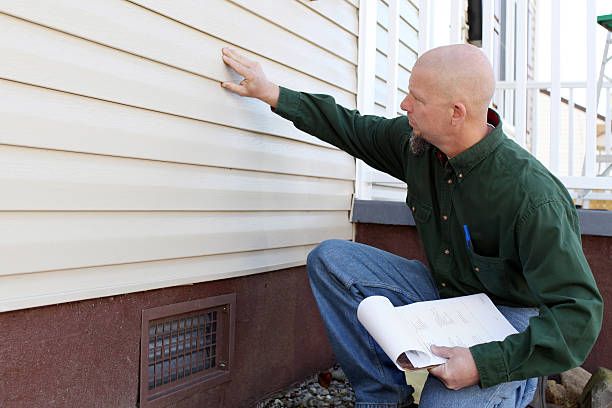
Residential Exterior Inspection Basics Every Future Home Inspector Should Know
If you’re interested in becoming a home inspector, learning how to evaluate the exterior of a house is an essential part of your training.
The exterior isn’t just about siding and appearance. It is a system designed to protect the structure from water, weather, pests, and physical deterioration. Exterior defects can also provide clues about problems occurring elsewhere in the home.
Poor grading may contribute to basement moisture. Damaged siding can allow water into wall assemblies. Improper flashing around windows and doors can lead to concealed deterioration. Cracks in masonry may provide clues about movement in the structure.
A skilled home inspector learns to put these pieces together.
Here’s what every future home inspector should know about inspecting residential exteriors.
What Does a Home Inspector Check on the Exterior of a House?
A home inspector visually evaluates accessible exterior components for deterioration, damage, improper installation, water-management problems, safety concerns, and conditions that may require repair or further evaluation.
Depending on the home and applicable standards of practice, an exterior inspection may include:
· Siding and exterior wall coverings
· Brick and masonry veneer
· Exterior trim
· Windows and doors
· Flashing
· Decks
· Porches
· Balconies
· Steps and stairs
· Handrails and guards
· Driveways and walkways
· Grading and drainage
· Retaining walls
· Exterior penetrations
· Soffits and fascia
· Visible portions of the foundation
One of the best habits for a new inspector is developing a consistent inspection pattern.
Rather than randomly walking around the property looking for defects, inspect the exterior systematically.
Why Is Grading So Important During a Home Inspection?
Proper grading helps direct surface water away from the foundation.
Water is one of the biggest enemies of a building.
When the ground slopes toward the house, rainwater and melting snow may collect against the foundation. Over time, this can contribute to:
· Basement moisture
· Crawl-space moisture
· Foundation deterioration
· Soil movement
· Mold or microbial growth
· Damage to interior finishes
· Increased sump-pump activity
New inspectors should pay close attention to the relationship between the surrounding property and the house.
Ask yourself:
Where will the water go when it rains?
That simple question can help you identify many exterior drainage problems.
How Should a Home Inspector Evaluate Gutters and Downspouts?
Gutters and downspouts are part of the home’s overall water-management system.
Their job is to collect roof runoff and direct it away from the structure.
Look for conditions such as:
· Loose gutters
· Missing sections
· Improper slope
· Leakage at joints
· Damaged downspouts
· Clogged gutters
· Downspouts discharging next to the foundation
· Missing extensions
· Improper underground drainage connections
A roof can shed hundreds of gallons of water during a significant rainstorm.
If that water is discharged directly next to the foundation, moisture problems may develop even when the foundation itself is in reasonably good condition.
This is why experienced inspectors don’t evaluate exterior components independently. They look at how the systems work together.
What Types of Siding Should a Home Inspector Recognize?
Home inspectors should learn to identify common exterior wall coverings in their market.
These may include:
· Vinyl siding
· Aluminum siding
· Wood siding
· Fiber-cement siding
· Engineered wood products
· Stucco
· Exterior insulation and finish systems
· Brick veneer
· Stone veneer
Each material has different installation requirements and common failure patterns.
For example, wood siding may deteriorate from prolonged moisture exposure. Vinyl siding may crack or become loose. Masonry veneer may develop cracking or mortar deterioration.
Knowing the material helps you know what to look for.
What Siding Defects Should a Home Inspector Look For?
Don’t simply identify the siding material and move on.
Look closely at its condition and installation.
Common exterior wall-covering findings include:
· Cracking
· Loose or missing siding
· Rot or deterioration
· Improper clearances
· Open joints
· Mechanical damage
· Improper repairs
· Missing flashing
· Water staining
· Bulging or displacement
· Peeling paint
· Unsealed penetrations
Pay particular attention to the lower portions of exterior walls.
Siding installed too close to soil, concrete, decks, or roofing materials can be exposed to excessive moisture and may conceal deterioration.
Why Is Exterior Flashing Important?
Flashing helps direct water away from vulnerable joints and openings in the building envelope.
Many significant exterior problems aren’t caused by the siding itself. They occur where different materials meet.
Pay close attention around:
· Windows
· Exterior doors
· Deck attachments
· Roof-to-wall intersections
· Wall penetrations
· Masonry transitions
· Exterior trim
Water follows gravity, but it can also travel behind exterior finishes.
A small flashing defect may result in significant concealed damage over time.
Future inspectors should learn to look beyond the visible surface and think about how water is supposed to move across the building.
What Should Home Inspectors Look for Around Windows and Doors?
Exterior windows and doors create openings in the building envelope and therefore deserve careful attention.
Look for:
· Deteriorated trim
· Rot
· Cracked or missing sealant
· Damaged frames
· Improper flashing
· Broken glass
· Loose components
· Water staining
· Poor clearances
· Evidence of previous repairs
However, don’t assume that every bead of deteriorated caulk means the wall is leaking.
Look at the entire installation and report what you can support with your observations.
How Should a Home Inspector Evaluate Brick and Masonry?
Masonry can last for generations, but that doesn’t mean it is maintenance-free.
Inspect brick, stone, and mortar for conditions such as:
· Cracking
· Loose masonry
· Deteriorated mortar
· Spalling
· Displacement
· Water staining
· Missing mortar
· Improper repairs
Does a crack in brick mean the foundation is failing?
No. A masonry crack does not automatically indicate a serious structural problem.
Cracking can occur for many reasons, including normal settlement, thermal movement, material shrinkage, corrosion, moisture exposure, or structural movement.
This is where inspector judgment becomes important.
Consider the crack’s:
· Location
· Direction
· Width
· Pattern
· Displacement
· Relationship to nearby structural components
A small isolated crack may be relatively minor, while significant displacement or a repeated stair-step cracking pattern may warrant further evaluation.
Don’t diagnose a major structural failure based on one crack without supporting evidence.
Why Are Siding-to-Ground Clearances Important?
Exterior wall coverings generally should not be buried in soil or installed where they remain in prolonged contact with moisture.
When siding is too close to grade, several problems can develop:
· Moisture deterioration
· Rot
· Pest entry
· Concealed foundation conditions
· Damage from landscaping
· Reduced ability to inspect the foundation
This condition is particularly important with wood-based siding and other moisture-sensitive materials.
Vegetation should also be considered.
Trees, shrubs, and vines growing directly against a house can trap moisture, damage exterior finishes, and limit your ability to inspect the building.
What Should Home Inspectors Know About Decks?
Deck inspections are an important part of exterior inspections because deck failures can cause serious injuries.
Don’t inspect a deck based only on how the decking boards look.
The structural connections underneath are often far more important.
Evaluate visible and accessible components such as:
· Ledger attachment
· Flashing
· Posts
· Beams
· Joists
· Footings
· Fasteners
· Connectors
· Decking
· Stairs
· Handrails
· Guards
What is one of the most important areas of a deck inspection?
The connection between an attached deck and the house deserves particular attention.
Improper ledger attachment, inadequate flashing, deterioration, or improper fasteners can significantly affect the deck’s safety.
Whenever possible, inspect the deck from above and below.
What Should Inspectors Check on Exterior Stairs and Guards?
Exterior stairs, porches, balconies, and elevated walking surfaces can create significant fall hazards.
Look for:
· Loose handrails
· Missing handrails
· Inadequate guards
· Loose steps
· Uneven risers
· Deteriorated materials
· Improperly supported stairs
· Significant movement
· Openings that may present safety concerns
A new inspector should understand that these aren’t merely cosmetic defects.
A loose railing or unstable stairway can create an immediate safety concern.
Why Should You Inspect Driveways and Walkways?
Driveways and sidewalks may seem less important than the house itself, but they can reveal several useful clues.
Look for:
· Significant cracking
· Settlement
· Trip hazards
· Deterioration
· Improper drainage
· Surfaces sloping toward the house
Pay particular attention to concrete located next to the foundation.
A driveway, patio, or walkway that has settled toward the house can direct substantial amounts of water toward the foundation.
This is another example of how exterior conditions can contribute to interior moisture problems.
Should a Home Inspector Report Every Crack and Cosmetic Defect?
Not every exterior imperfection needs to become a major inspection finding.
Home inspectors need to distinguish between:
· Cosmetic conditions
· Routine maintenance
· Functional defects
· Safety concerns
· Significant deterioration
This distinction takes experience.
For example, faded siding may be primarily cosmetic. Missing siding is a functional concern. Extensive rot around a structural component could be considerably more significant.
Your report should help the client understand the difference.
How Should a Home Inspector Report Exterior Defects?
Avoid vague statements such as:
“Siding is bad.”
Instead, describe what you observed.
For example:
“Localized deterioration was observed at the wood siding near the lower rear wall where the siding was installed close to grade. Prolonged moisture exposure may contribute to additional deterioration. Recommend repair of damaged materials and correction of the siding-to-grade clearance as appropriate.”
Professional reporting should answer three basic questions:
What did you see? Why does it matter? What should be done?
Following this approach makes inspection reports clearer and more useful to clients.
Frequently Asked Questions for Future Home Inspectors
Do home inspectors inspect landscaping?
Generally, landscaping is evaluated primarily where it may affect the building, drainage, access, or visible components. Vegetation touching the house or contributing to poor drainage may be relevant to the inspection.
Does negative grading always mean the basement leaks?
No. Negative grading increases the potential for water accumulation near the foundation, but it does not prove that leakage is occurring.
Should a home inspector identify structural cracks?
Yes, visible cracking should be evaluated and reported when significant. However, inspectors should avoid making unsupported engineering conclusions. Significant movement may warrant evaluation by an appropriate specialist.
Do home inspectors inspect decks?
Decks, porches, stairs, guards, and similar exterior components are commonly included within home inspection standards, although the exact requirements depend on the applicable standards of practice.
Is damaged siding always a major problem?
No. The significance depends on the material, location, extent of damage, and whether the condition may allow moisture or pests into the wall assembly.
Can home inspectors determine whether water is getting behind siding?
Sometimes there may be visible evidence, but a standard inspection is generally non-invasive. Concealed conditions behind exterior wall coverings cannot always be determined without removing materials or performing additional testing.
What tools are useful for exterior inspections?
Common tools include a flashlight, camera, moisture meter, binoculars, level or measuring device when appropriate, and an inspection probe for evaluating suspected deterioration where permitted.
Learn to Think Like Water
One of the most valuable skills you can develop as a future home inspector is learning to think like water.
When you’re walking around a house, don’t just look for defects.
Look at the building as a complete water-management system.
Where does roof water go?
Where does the downspout discharge?
Which direction does the ground slope?
How is the window protected from water?
What happens where the deck connects to the house?
Where could water become trapped?
Then compare your exterior observations with what you find inside the basement, crawl space, attic, and living areas.
That’s how an inspection begins to come together.
A professional home inspector doesn’t simply identify a cracked piece of siding or a deteriorated downspout. The inspector understands how those conditions may affect the rest of the property and communicates that information clearly to the client.
You don’t need to be a siding contractor, mason, drainage contractor, or structural engineer to become an excellent home inspector.
You need to understand residential construction, recognize visible warning signs, know the limitations of your inspection, and know when additional professional evaluation is appropriate.
Interested in becoming a professional home inspector? Quality training that combines technical education with hands-on field experience can help you learn to evaluate exterior systems, roofing, electrical, plumbing, HVAC, structures, interiors, and more—and build the practical skills needed for a successful career in home inspection.