Residential Heating and Cooling Inspection Basics Every Future Home Inspector Should Know
If you’re interested in becoming a home inspector, residential heating and cooling systems—commonly called HVAC systems—will be an important part of your training.
HVAC can seem complicated to a new inspector. Furnaces contain burners, heat exchangers, blowers, controls, venting systems, and electrical components. Air-conditioning systems add compressors, refrigerant lines, evaporator coils, condensers, and condensate drainage.
The important thing to understand is that a home inspector is not an HVAC technician.
Your job is to identify the type of equipment, operate systems using normal controls when conditions permit, evaluate visible and accessible components, recognize signs of improper operation or unsafe conditions, and recommend further evaluation when appropriate.
A good home inspector doesn’t need to diagnose every mechanical failure. You do, however, need to recognize when something doesn’t look, sound, or operate as expected.
Here’s what every future home inspector should know about inspecting residential heating and cooling systems.
What HVAC Equipment Does a Home Inspector Inspect?
A home inspector generally evaluates the readily accessible components of permanently installed heating and cooling systems.
Depending on the property and applicable standards of practice, this may include:
· Furnaces
· Boilers
· Central air conditioners
· Heat pumps
· Mini-split systems
· Thermostats
· Ductwork
· Registers and returns
· Flue and venting systems
· Refrigerant lines
· Condensate drainage
· Air filters
· Blower components
· Exterior condenser units
You should also identify the system’s energy source when possible, such as natural gas, propane, electricity, or fuel oil.
Developing a consistent inspection procedure is important. HVAC systems contain many components, and it’s easy for a new inspector to overlook something without a routine.
How Does a Forced-Air Furnace Work?
Understanding basic system operation makes it much easier to recognize defects.
A typical gas-fired forced-air furnace works by:
1. Receiving a call for heat from the thermostat.
2. Initiating the ignition sequence.
3. Igniting the burners.
4. Transferring heat through the heat exchanger.
5. Using the blower to move household air across the heated surfaces.
6. Distributing warmed air through the duct system.
7. Venting combustion gases to the exterior.
As a home inspector, you aren’t simply checking whether warm air comes from a register.
You’re evaluating the entire visible heating process.
What Should a Home Inspector Look for at a Furnace?
Start with the overall installation and condition of the equipment.
Common areas to evaluate include:
· General equipment condition
· Burner operation
· Flame characteristics
· Blower operation
· Air filter
· Electrical disconnect
· Gas piping
· Vent connector
· Combustion-air provisions
· Ductwork
· Condensate drainage on high-efficiency equipment
· Evidence of corrosion or moisture
· Unusual noises or odors
You should also look for signs of previous repairs or modifications.
A furnace may produce heat and still have conditions that warrant repair or further evaluation.
What Does a Furnace Flame Tell a Home Inspector?
When burners are visible, the flame can provide useful information.
A properly operating gas burner will generally produce a relatively stable flame. Significant flame disturbance, unusual coloration, delayed ignition, or other abnormal operation may indicate a problem requiring professional evaluation.
However, avoid trying to diagnose combustion problems beyond your training and inspection scope.
Your job is to recognize abnormal conditions and recommend appropriate action.
Can a Home Inspector Inspect a Heat Exchanger?
This is an important question for new inspectors.
A standard home inspection generally does not include dismantling a furnace to fully inspect the heat exchanger.
Much of the heat exchanger may not be visible without specialized equipment or disassembly.
This is why inspectors should be careful about statements such as:
“The heat exchanger is good.”
Unless you’ve performed the specialized testing necessary to support that conclusion, you shouldn’t guarantee the condition of a concealed component.
If you observe evidence suggesting a combustion or heat-exchanger problem, recommend evaluation by a qualified HVAC professional.
Why Is Furnace Venting So Important?
Fuel-burning appliances produce combustion gases that need to be safely vented from the home.
Inspectors should pay close attention to visible venting components.
Potential concerns include:
· Loose vent connections
· Improper vent slope
· Corrosion
· Disconnected venting
· Improper clearances
· Damaged vent materials
· Improper vent termination
· Evidence of condensation
· Signs of backdrafting
Improper venting can create more than an equipment problem. It can become a serious occupant-safety concern.
This is one reason HVAC inspections require more than simply checking whether the furnace turns on.
Why Should Home Inspectors Understand Carbon Monoxide?
Carbon monoxide, or CO, is a colorless and odorless gas produced by incomplete combustion.
Fuel-burning appliances can become potential sources of carbon monoxide when combustion or venting problems occur.
Home inspectors should understand conditions that may contribute to combustion-safety concerns, but they should also understand the limitations of their inspection.
Carbon monoxide alarms are an important life-safety feature, but their presence does not eliminate the need for properly installed and maintained heating equipment.
How Do You Determine the Age of a Furnace or Air Conditioner?
Home inspectors are frequently asked:
“How old is this furnace?”
The equipment’s data plate usually contains the manufacturer, model number, serial number, electrical information, and other specifications.
For many manufacturers, the serial number can be decoded to determine the manufacturing date.
Learning how to identify HVAC equipment is a valuable home inspection skill.
However, age should never be your only consideration.
A 20-year-old furnace may be operating satisfactorily at the time of inspection, while a much newer furnace could have significant installation or operational defects.
Report both age and condition when that information is relevant.
What Is the Average Life Expectancy of HVAC Equipment?
Equipment life varies based on installation, maintenance, operating conditions, climate, usage, and equipment quality.
Home inspectors should be cautious about presenting service-life estimates as guarantees.
Instead of telling your client:
“This furnace has exactly three years left.”
Explain that the equipment is older, describe its observed condition, and advise the client that budgeting for replacement may be prudent when appropriate.
Your inspection report should provide useful information without predicting the future.
How Does a Central Air Conditioner Work?
A residential split-system air conditioner typically consists of two primary sections.
The evaporator coil is generally located inside the home, often above or near the furnace.
The condensing unit is located outside.
Refrigerant circulates between these components through refrigerant lines.
The system absorbs heat from indoor air at the evaporator coil and transfers that heat outdoors through the condenser.
Understanding this basic refrigeration cycle helps a future inspector recognize common system components and potential problems.
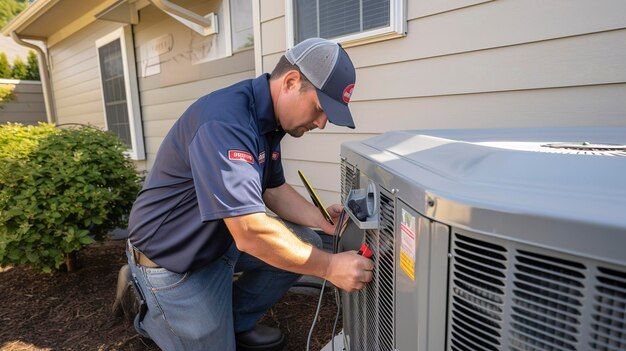
What Should a Home Inspector Look for at an Exterior AC Unit?
Inspect the exterior condensing unit for conditions such as:
· Physical damage
· Corrosion
· Dirty or obstructed coils
· Vegetation restricting airflow
· Damaged refrigerant-line insulation
· Improper electrical disconnect
· Exposed or damaged wiring
· Unstable equipment pads
· Unusual noises or vibration
· Improper clearances
· Evidence of previous repairs
Airflow around the condenser is important.
Shrubs, debris, fencing, or other materials installed too close to the unit can restrict airflow and reduce performance.
Should a Home Inspector Operate an Air Conditioner in Cold Weather?
Not always.
Operating certain air-conditioning systems when outdoor temperatures are too low can potentially damage the equipment or produce unreliable results.
The appropriate minimum operating temperature can depend on the equipment manufacturer, system design, and applicable inspection standards.
This is especially important for inspectors working in colder climates.
If conditions don’t permit safe operation, document the limitation in the inspection report.
Don’t risk damaging a client’s air conditioner simply because you want to complete an operational test.
What Temperature Difference Should an Air Conditioner Produce?
Inspectors sometimes measure the temperature of return air and compare it with the temperature of supply air.
This is commonly referred to as a temperature split or temperature differential.
The measurement can provide useful information about system operation, but it should not be treated as a complete HVAC diagnosis.
Many factors can affect temperature differential, including:
· Indoor humidity
· Outdoor temperature
· Airflow
· Filter condition
· Duct configuration
· Equipment run time
· System design
A temperature measurement is one piece of information—not the entire inspection.
Why Is Condensate Drainage Important?
Air-conditioning systems remove moisture from indoor air.
That water needs somewhere to go.
Inspect visible condensate components for:
· Leakage
· Improper drainage
· Damaged piping
· Disconnected drains
· Corrosion
· Water staining
· Improper termination
Water around a furnace or air handler isn’t always caused by a plumbing leak.
It may be coming from the cooling system or a high-efficiency furnace’s condensate system.
Future inspectors should learn to trace the source before reaching conclusions.
What Should a Home Inspector Know About Heat Pumps?
Heat pumps can provide both heating and cooling.
Unlike a conventional furnace, a heat pump transfers heat rather than producing heat primarily through combustion.
A heat-pump system may include:
· Outdoor unit
· Indoor coil
· Air handler
· Refrigerant lines
· Reversing valve
· Auxiliary or emergency heat
· Thermostat controls
New inspectors should learn how to distinguish a heat pump from a conventional air conditioner.
The outdoor units may look very similar.
What Are Common HVAC Defects Found During Home Inspections?
Some frequently encountered heating and cooling findings include:
· Dirty furnace filters
· Corroded venting
· Improper vent connections
· Damaged ductwork
· Missing duct insulation
· Condensate leakage
· Damaged refrigerant-line insulation
· Dirty condenser coils
· Improper electrical disconnects
· Unusual furnace operation
· Significant equipment corrosion
· Poorly supported ductwork
· Blocked airflow
· Improperly installed equipment
· Equipment that does not respond to normal controls
Not every defect means the entire HVAC system needs replacement.
Your job is to evaluate the significance of the condition and report it appropriately.
How Should a Home Inspector Report an HVAC Problem?
Avoid vague comments such as:
“Furnace is bad.”
Instead, describe the condition you actually observed.
For example:
“The furnace vent connector exhibited significant corrosion and deterioration. Deteriorated venting may affect the safe discharge of combustion gases. Recommend evaluation and repair by a qualified HVAC contractor.”
A professional inspection comment should generally communicate:
What did you observe? Why does it matter? What should happen next?
That’s a reporting habit worth developing early in your home inspection career.
Frequently Asked Questions for Future Home Inspectors
Do home inspectors have to remove furnace panels?
Inspectors commonly remove readily accessible service panels when permitted by their standards of practice and when doing so can be performed safely. Inspectors generally aren’t expected to dismantle HVAC equipment.
Can a home inspector diagnose a cracked heat exchanger?
A standard visual home inspection may not provide access necessary to conclusively determine the condition of the entire heat exchanger. Suspected defects should be referred for specialized HVAC evaluation.
Do home inspectors test for carbon monoxide?
Requirements and inspection practices vary. Some inspectors use carbon monoxide detection equipment, but specialized combustion testing may extend beyond the scope of a standard home inspection.
Should home inspectors inspect ductwork?
Visible and accessible ductwork is generally evaluated for conditions such as damage, loose connections, deterioration, inadequate support, and other significant deficiencies.
Should a home inspector recommend replacement just because a furnace is old?
Not necessarily. Age is important, but observed condition and operation also matter. Older equipment may warrant budgeting for replacement without being declared failed solely because of age.
Can a home inspector check refrigerant levels?
Typically, refrigerant pressure and charge evaluation require specialized HVAC equipment and training and are beyond the scope of a standard home inspection.
What HVAC tools should a new home inspector carry?
Useful tools may include a flashlight, infrared thermometer or temperature-measuring device, carbon monoxide detector when appropriate, electrical testing equipment within the inspector’s scope, camera, and basic hand tools for accessing readily removable panels.
Learn the System, Not Just the Equipment
One of the biggest differences between a new inspector and an experienced inspector is the ability to connect individual observations.
Don’t simply look at the furnace and ask:
“Does it turn on?”
Look at the entire system.
Where does combustion air come from?
How are combustion gases vented?
Where does the return air enter?
Where does conditioned air go?
How is condensate removed?
Is the exterior condenser receiving adequate airflow?
Are there signs of water, overheating, corrosion, or previous modifications?
Then compare what you observe with the rest of the house.
A professional home inspector isn’t an HVAC technician, but you need enough knowledge to understand how residential heating and cooling systems are supposed to operate and recognize when something isn’t right.
Develop a consistent inspection routine, learn the basic principles behind heating and cooling equipment, understand your limitations, and practice writing clear, objective inspection comments.
Those skills will help you become a more knowledgeable, confident, and professional home inspector.
Interested in becoming a professional home inspector? Quality training that combines technical education with hands-on field experience can help you learn to inspect heating and cooling systems, roofing, electrical, plumbing, exteriors, structures, interiors, and other major components of a home—and build the practical skills needed to start a career in home inspection.