
Residential Roof Inspection Basics
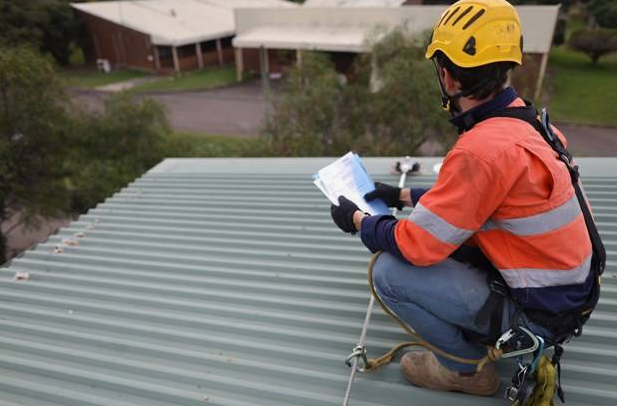
Residential Roof Inspection Basics Every Future Home Inspector Should Know
Residential Roof Inspection Basics Every Future Home Inspector Should Know
If you’re interested in becoming a home inspector, learning how to properly inspect residential roofing systems is one of the most important skills you’ll develop.
The roof is a home’s first line of defense against rain, snow, wind, and other weather conditions. Roof problems can also lead to some of the most expensive repairs a homebuyer may face.
For a new home inspector, roofing can initially seem straightforward: look at the shingles and determine whether they’re worn out. In reality, a professional roof inspection involves much more.
You need to understand roofing materials, installation methods, flashing, drainage, ventilation, penetrations, deterioration patterns, and how roof problems can affect the attic and interior of the home.
Most importantly, you need to recognize the difference between normal aging and conditions that may require repair or further evaluation.
Here’s what every future home inspector should know about inspecting residential roof systems.
What Does a Home Inspector Look for on a Roof?
A home inspector visually evaluates accessible roofing components for signs of deterioration, damage, improper installation, leakage, and other conditions that may affect the roof’s performance.
A typical roof inspection may include:
· Roof-covering materials
· Flashing
· Valleys
· Roof penetrations
· Plumbing vent boots
· Chimneys
· Skylights
· Gutters and downspouts
· Roof drainage
· Visible roof structure
· Soffits and fascia
· Attic roof sheathing
· Evidence of leakage
· Roof ventilation
A home inspector is not providing a roofing warranty or guaranteeing how many years the roof will last.
Your job is to evaluate the roof’s visible condition at the time of the inspection and report significant findings to your client.
What Types of Roofing Should a Home Inspector Recognize?
A professional home inspector should be able to identify the common residential roofing materials used in their market.
These may include:
· Asphalt composition shingles
· Architectural or dimensional shingles
· Wood shakes and shingles
· Metal roofing
· Slate
· Clay or concrete tile
· Rolled roofing
· Modified bitumen
· Single-ply membrane roofing
Asphalt shingles are among the most common roofing materials you’ll encounter in residential inspections.
However, don’t assume every roofing material should be inspected the same way.
Walking on a conventional asphalt-shingle roof may be reasonable under certain conditions, while walking on slate, tile, wood shakes, metal, or deteriorated roofing could damage the roof or create a serious fall hazard.
Knowing the roofing material helps determine both what you should inspect and how you should inspect it.
Does a Home Inspector Have to Walk on the Roof?
Not necessarily. Whether a roof should be walked depends on safety, accessibility, roof conditions, weather, roofing material, applicable standards of practice, and the inspector’s professional judgment.
There are many situations where walking a roof may be unsafe or inappropriate.
Examples include:
· Steep roof pitches
· Wet roofing
· Snow or ice
· High winds
· Deteriorated roofing materials
· Fragile roofing such as slate or tile
· Extremely high roofs
· Limited ladder access
· Roof configurations creating fall hazards
If you can’t safely walk the roof, alternative inspection methods may include inspecting from the roof edge, viewing it from the ground with binoculars, using an approved camera system, or utilizing a drone where appropriate and legally permitted.
A good inspector doesn’t take unnecessary risks just to say the roof was walked.
How Do You Determine the Age of an Asphalt-Shingle Roof?
This is one of the most common questions homebuyers ask.
In many cases, a home inspector cannot determine the exact age of a roof simply by looking at it.
Instead, you evaluate its apparent condition and remaining serviceability.
Signs of aging asphalt shingles may include:
· Granule loss
· Curling
· Cracking
· Blistering
· Exposed asphalt
· Brittle shingles
· Worn edges
· Missing shingles
· Previous repairs
· Deterioration around penetrations
Be careful about promising a specific remaining lifespan.
Saying, “This roof has exactly five years remaining” may create unrealistic expectations.
Roof life depends on many factors, including installation quality, ventilation, climate, sun exposure, maintenance, roof pitch, and roofing material.
A better inspector reports observable conditions and explains their significance.
What Is Granule Loss on Asphalt Shingles?
Granules are the small mineral particles covering the surface of asphalt shingles. They help protect the underlying asphalt from ultraviolet exposure and weathering.
Some granule loss is normal as shingles age.
You may also find loose granules in gutters and at downspout discharge locations.
However, significant or widespread granule loss can indicate advanced deterioration.
New inspectors should learn the difference between minor normal wear and substantial deterioration that may affect the roof’s serviceability.
Don’t report a roof as defective simply because you find a few granules in the gutters.
Look at the entire roofing system.
Why Is Roof Flashing So Important?
One of the biggest mistakes a new inspector can make is focusing entirely on the shingles.
Many roof leaks occur around transitions and penetrations rather than through the middle of the roofing material.
That’s why flashing deserves careful attention.
Look closely around:
· Chimneys
· Skylights
· Plumbing vents
· Roof-to-wall intersections
· Valleys
· Dormers
· Sidewalls
· Headwalls
· Roof penetrations
Proper flashing directs water away from vulnerable areas.
Improper flashing, missing flashing, deteriorated sealants, or amateur repairs can significantly increase the potential for leakage.
What Should You Look for Around a Chimney?
Chimneys create several potential roof inspection concerns.
A home inspector should evaluate visible conditions involving:
· Step flashing
· Counterflashing
· Chimney crown
· Masonry deterioration
· Sealant repairs
· Cricket or saddle installation when applicable
· Evidence of leakage
· Clearance from roofing materials where relevant
Pay particular attention to large chimneys located on the downslope side of a roof.
Water and snow can accumulate behind these areas, making proper drainage especially important.
What Are Plumbing Vent Boots?
Plumbing vent pipes typically extend through the roof, requiring the penetration to be properly flashed.
Many residential roofs use rubber or similar flashing boots around these pipes.
Over time, the material may:
· Crack
· Split
· Deteriorate
· Pull away from the pipe
· Become damaged by ultraviolet exposure
A small deteriorated vent boot can result in a surprisingly significant interior leak.
This is why experienced home inspectors don’t just look at the overall roof—they inspect individual penetrations carefully.
Why Should Home Inspectors Check the Attic After Inspecting the Roof?
The exterior roof tells you one part of the story. The attic can tell you another.
When accessible, the attic should be inspected for conditions that may indicate roof leakage or moisture problems.
Look for:
· Water staining
· Darkened roof sheathing
· Deteriorated sheathing
· Wet insulation
· Rusted roofing nails
· Previous repairs
· Daylight through inappropriate openings
· Mold-like growth or microbial staining
· Damaged framing
· Inadequate ventilation
Here’s an important lesson for future inspectors:
A stain does not automatically mean the roof is actively leaking.
The stain could be from a previous roof leak that was repaired years ago.
Look for supporting evidence before reaching a conclusion.
If possible, use a moisture meter to help determine whether stained materials are currently wet.
What Is Roof Ventilation and Why Does It Matter?
Proper attic ventilation helps control heat and moisture accumulation.
Many residential systems use a combination of intake and exhaust ventilation.
Common components include:
· Soffit vents
· Ridge vents
· Roof vents
· Gable vents
New inspectors should look beyond simply determining whether vents are present.
Ask:
Can air actually move through them?
For example, soffit vents may exist on the exterior but be blocked by insulation inside the attic.
Poor attic ventilation can contribute to:
· Excessive heat
· Moisture accumulation
· Condensation
· Frost formation in cold climates
· Roof sheathing deterioration
· Reduced shingle service life
Understanding the relationship between the roof and attic is essential for becoming a skilled inspector.
What Are Common Roof Defects Home Inspectors Find?
Roofing defects vary considerably, but several conditions appear frequently during residential inspections.
Common findings include:
· Missing shingles
· Damaged shingles
· Improper flashing
· Exposed fasteners
· Deteriorated plumbing vent boots
· Damaged chimney flashing
· Excessive granule loss
· Previous patching
· Loose roofing materials
· Improper roof penetrations
· Damaged gutters
· Poor roof drainage
· Deteriorated sealants
· Multiple layers of roofing
· Evidence of leakage
One defect doesn’t necessarily mean the entire roof needs replacement.
Your responsibility is to describe what you observed and explain the significance of the condition.
Should a Home Inspector Call a Roof “Bad”?
Professional reporting matters.
Instead of simply writing:
“Roof is bad.”
Describe the actual conditions.
For example:
“The asphalt shingles exhibited widespread granule loss, cracking, and deterioration consistent with advanced aging. Recommend evaluation by a qualified roofing contractor to determine repair or replacement needs.”
The second statement tells the client:
1. What you observed.
2. Why you’re concerned.
3. What should happen next.
Learning to write defensible, objective inspection comments is just as important as learning to identify defects.
When Should a Home Inspector Recommend a Roofing Contractor?
Further evaluation may be appropriate when you observe conditions such as:
· Widespread deterioration
· Active or suspected leakage
· Significant storm damage
· Improper installation
· Extensive previous repairs
· Damaged flashing
· Structural concerns
· Roofing near or at the end of its useful service life
· Conditions that cannot be adequately evaluated during the inspection
Your recommendation should match the condition.
Not every minor defect requires a complete roof evaluation.
Frequently Asked Questions for Future Home Inspectors
How long does an asphalt-shingle roof last?
There is no single lifespan for every asphalt roof. Material quality, installation, ventilation, climate, exposure, and maintenance can significantly affect service life. Inspectors should focus on observed condition rather than promising a specific remaining lifespan.
Can a home inspector say the roof needs replacement?
Yes, when observed conditions support that conclusion or recommendation. However, your report should describe the conditions that led to the recommendation rather than relying solely on the roof’s apparent age.
Should a home inspector use a drone?
Drones can be valuable tools for inspecting roofs that cannot safely be walked. Inspectors should understand applicable aviation regulations, operating requirements, limitations, and insurance considerations before using drones professionally.
Should home inspectors inspect roofs covered with snow?
Snow can significantly limit the inspection. Clearly document what could and could not be observed and recommend further evaluation when appropriate.
Is moss on a roof a problem?
Moss or other organic growth may retain moisture and can contribute to deterioration of certain roofing materials. The severity, roofing type, and extent of growth should be considered when reporting the condition.
Can you determine whether a roof is leaking from the exterior?
Not always. Exterior conditions may suggest an increased potential for leakage, but attic and interior observations can provide important additional evidence.
What tools should a new home inspector use for roof inspections?
Common tools may include a properly rated ladder, binoculars, flashlight, moisture meter, camera, appropriate footwear, and personal protective equipment. Some inspectors also use drones or extendable camera systems when direct access isn’t appropriate.
Learning to Inspect Roofs Takes More Than Looking at Shingles
One of the most important lessons for anyone entering the home inspection profession is this:
You’re inspecting a roofing system—not just the roof covering.
The shingles, flashing, penetrations, drainage system, attic ventilation, roof structure, insulation, and interior conditions can all provide clues about how the roof is performing.
Develop a systematic inspection process.
Start with the overall roof configuration. Identify the roofing material. Look at its general condition. Inspect flashing and penetrations carefully. Evaluate drainage. Then inspect the attic and interior for evidence that supports—or contradicts—what you observed outside.
The more roofs you inspect, the better you’ll become at recognizing patterns.
You don’t need to be a roofing contractor to become an excellent home inspector. But you do need to understand how roofing systems manage water, recognize common defects, know your safety limitations, and clearly communicate your findings.
Interested in becoming a professional home inspector? Quality training that combines technical education with hands-on field experience can help you learn how to inspect roofing, electrical, plumbing, HVAC, structural, and other residential systems—and turn that knowledge into a professional home inspection career.